




President Trump’s latest string of tariff announcements have sent immediate ripples through the global economy. From a Supreme Court ruling that upended his initial trade approach, to the sudden rollout of a “15% effective immediately” global tariff, here’s a quick rundown of how the events unfolded and what it could mean for politics, businesses, and the ever-tense US relationship with China.
Outline
-
TL;DR Summary
-
Introduction: How We Got Here
-
Timeline of Trump’s Tariff Actions
-
Initial 10% Worldwide Tariff and Legal Challenge
-
February 20, 2026: Supreme Court Decision
-
February 21, 2026: Trump Raises Tariffs to 15%
-
The White House Fact Sheet and Effective Dates
-
-
Political, Economic, and Small Business Reactions
-
Political Split in Washington
-
Market Response and Small Business Concerns
-
Relationship with China and International Trade Partners
-
-
FAQ
TL;DR: Trump’s Tariff Timeline in a Nutshell
President Trump imposed a global 10% tariff, which was struck down by the Supreme Court on February 20, 2026. Within hours, he announced a new, higher 15% global tariff under a different law, promising it would be “effective immediately.” A White House fact sheet confirmed the older 10% tariff would take effect on February 24. The moves have prompted heated political debate, market swings, and plenty of uncertainty for small businesses and international partners, especially China.
How We Got Here: Tariffs, Politics, and Legal Hurdles
Tariffs and politics have often gone hand in hand during the Trump presidency. His appetite for tariffs has shaped both economic headlines and international relations, as he’s framed them as tools to protect American jobs and, as he puts it, punish countries that “rip off” the United States. This latest saga begins with a sweeping 10% worldwide tariff, which quickly faced legal and political pushback.
Timeline of Trump’s Tariff Actions
Initial 10% Worldwide Tariff and Legal Challenge
Earlier in February, President Trump announced a blanket 10% tariff on all imports to the US, yes, everything. The announcement was immediately challenged in court. Trump tried to invoke emergency powers under the International Emergency Economic Powers Act (IEEPA) to justify this sweeping move, something that hadn’t been tested in this way before.
Critics argued the IEEPA is meant for national security threats, not broad economic policy. Both Democratic leaders and trade experts questioned the legality and economic impact, especially on US companies that depend on imports. Small businesses voiced concern, particularly those already squeezed by previous rounds of US-China tariffs.
February 20, 2026: Supreme Court Steps In
The Supreme Court put a quick halt to the tariff expansion. In a 6-3 decision on February 20, 2026, the justices ruled that Trump’s use of the IEEPA to impose these “reciprocal” tariffs wasn’t justified. In short, the Court said the president lacks the authority to use emergency powers for blanket economic measures like these tariffs.
The reaction was fast and fierce. Trump, true to form, took to social media to call the decision “ridiculous, poorly written, and extraordinarily anti-American.” He directly attacked Justices Neil Gorsuch and Amy Coney Barrett, who joined the majority opinion. Meanwhile, Democratic politicians celebrated, framing the decision as a victory for Congressional oversight and US businesses. Senate Minority Leader Chuck Schumer described the policy as “chaotic and illegal.”
February 21, 2026: Trump’s New 15% Tariff Announcement
The political drama was far from over. Not even 24 hours after the Supreme Court ruling, Trump turned to another legal tool: Section 122 of the Trade Act of 1974. This statute allows the president to impose temporary tariffs, up to 150 days, without Congressional approval, provided it addresses “fundamental international payment problems.”
In a posting on Truth Social, Trump declared a hike: “Effective immediately, raising the 10% Worldwide Tariff on Countries, many of which have been ‘ripping’ the U.S. off for decades, … to the fully allowed, and legally tested, 15% level.” He added that more tariffs could follow in the months ahead, keeping trade watchers and businesses on notice.
The White House Fact Sheet: 10% Tariffs Begin February 24
While Trump said the new 15% global tariff was effective right away, the specifics for enforcement were murky. A White House fact sheet, also released on Friday, stated that the original 10% tariffs would actually take effect at 12:01 a.m. ET on Tuesday, February 24. This document created some confusion among importers, legal experts, and media outlets alike. Was it 10% starting Tuesday, or did the president’s “15% immediately” override it? As of publication, the White House had not clarified if official documents backing the increased rate had been signed.
Political, Economic, and Small Business Reactions
Political Split in Washington
As expected, Congressional Democrats quickly hailed the Supreme Court’s decision as a brake on what they view as Trump’s out-of-control trade agenda. House and Senate leaders described the president’s approach as “chaotic,” arguing it hurt American families and small businesses. Some Republicans, meanwhile, attacked the Supreme Court’s ruling, seeing it as judicial overreach. Others insisted tariff authority belongs in Congress’s hands, not just the White House.
Market Response and Small Business Concerns
The market’s reaction? That was a rollercoaster. Stocks initially rallied on hopes that the end of sweeping tariffs would cool trade tensions and eventually lower inflation. Then, Trump’s new announcement spooked investors. Uncertainty hung in the air, many companies have millions at stake in tariffs, from carmakers to the smallest import-dependent retailer.
For small businesses, especially those with deep ties to suppliers in China, the uncertainty is real and costly. Imagine being a Main Street furniture retailer, juggling contracts and invoices, and suddenly all imports face a double-digit tariff, possibly rising within days. Many small business owners, in interviews over the past week, warned that abrupt tariff swings could be “existential threats” to their viability. Some recalled how earlier Trump-era tariffs on Chinese goods forced price hikes or even layoffs.
Relationship with China and International Trade Partners
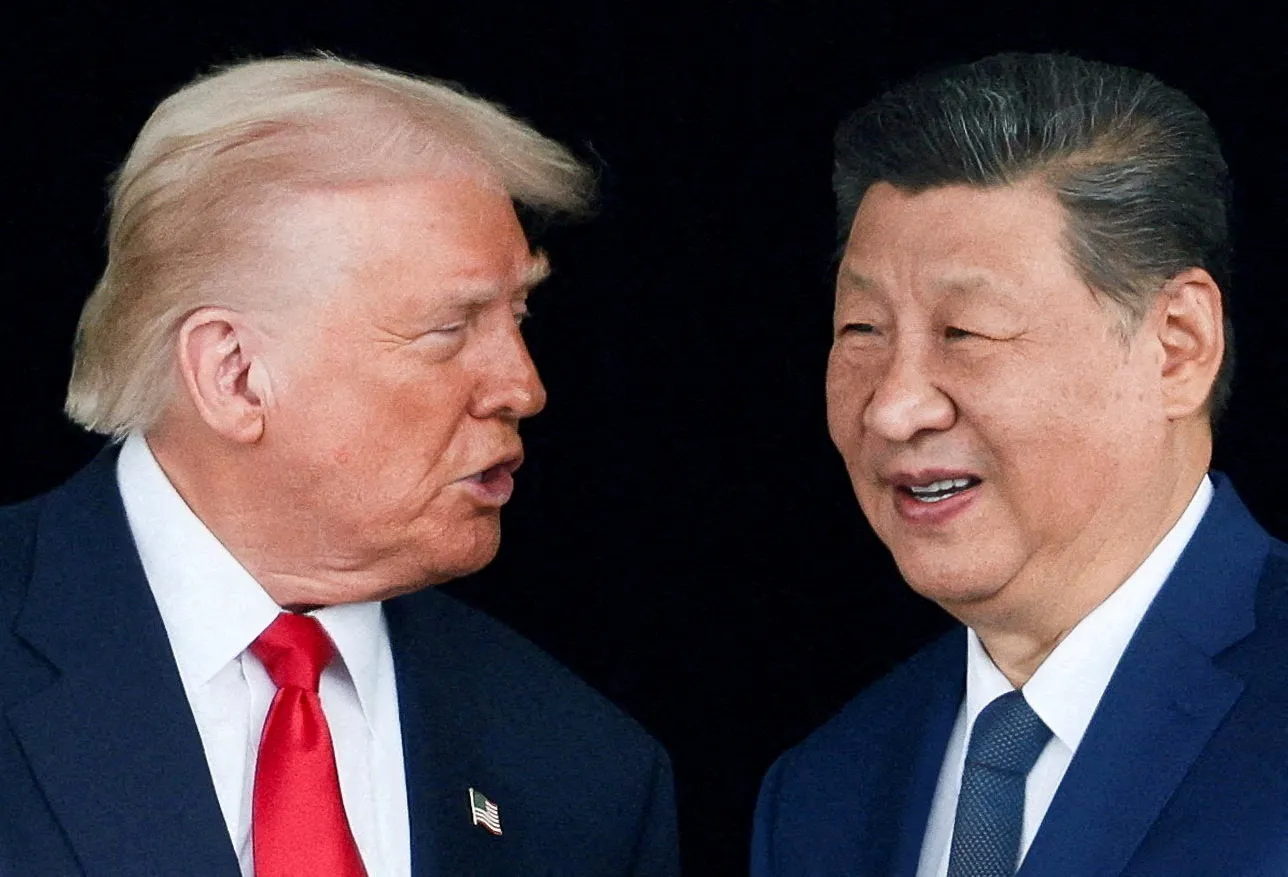
Of course, the broader global picture matters too. China, as the US’s largest trading partner, has already signaled its frustration with Trump’s tariff strategy. During earlier rounds of tariffs, Beijing responded in kind, targeting American goods from soybeans to semiconductors. Now, with a new 15% global tariff on the table, the US-China trade standoff could escalate again, potentially affecting everything from supply chains to commodity prices, and pushing small American exporters further out of foreign markets.
FAQ: Trump’s Tariff Moves Explained
-
Why did Trump raise global tariffs to 15%?
After the Supreme Court struck down his original 10% tariff plan under IEEPA, Trump used Section 122 of the Trade Act of 1974 to impose a new, higher tariff. He claimed it would protect US interests and address what he sees as unfair practices by trading partners, especially China.
-
When do the new tariffs take effect?
Trump said the 15% tariffs were “effective immediately” in his Saturday announcement. However, the White House fact sheet indicated the 10% tariffs would start February 24. Official documentation and practical enforcement timelines remain somewhat unclear as of now.
-
How long can Trump keep these tariffs in place?
Under Section 122, the tariffs can last for 150 days unless extended by Congress. That means a new debate, and possibly another legal challenge, could be coming if the administration seeks to prolong them.
-
What does this mean for small businesses?
Many small businesses face higher import costs, tighter margins, and more uncertainty. For those relying on goods from China and other major suppliers, each tariff hike translates to price increases, complex contract renegotiations, or even hard choices about jobs and expansions.
-
How are other countries responding, especially China?
Other countries, especially China, are closely watching and may respond with their own tariffs or trade restrictions. Past rounds of such moves have led to tense standoffs and economic fallout on both sides.