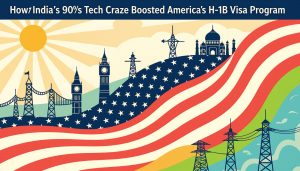





For years, India has taken pride in its strong presence in the global IT sector. Indian companies like Infosys and Tata Consultancy Services have led in providing IT services, while many top US tech firms, such as Alphabet, Microsoft, and IBM, have Indian-origin CEOs. Countless Indian engineers in Silicon Valley work behind the scenes to support Western digital transformations.
However, recent political debates in the US have raised concerns for the Indian diaspora. Arguments within the Republican Party about limiting H-1B visas—crucial for Indian professionals seeking US jobs—have become more about whether Indian engineers are even welcome. Some, like Senator Bernie Sanders, criticized H-1B holders as “low-wage indentured servants.”
This fuss doesn’t reflect current realities. Indian IT firms have shifted away from low-cost labor models. With automation and AI reducing the need for overseas support staff, the debate seems to reveal deeper cultural concerns, not policy reform.
Many Indian immigrants assumed they’d be seen as model minorities—quiet, successful, and non-threatening. But that perception is shifting. The inclusion of even a few Indians in former President Trump’s administration sparked backlash, exposing underlying resentment.
Even in liberal circles, doubts about H-1B visas surfaced. Congressman Ro Khanna warned about protecting American jobs, using phrases that unsettled many.
It’s a wake-up call for the Indian diaspora. Indians overseas must now recognize they’re not exempt from rising populist and nationalist attitudes. To protect their place abroad, they must unite politically across divisions, just as other immigrant communities have done.
Recent global visibility, with figures like Kamala Harris and Rishi Sunak, gave Indians confidence. But overconfidence, like that shown by Vivek Ramaswamy’s controversial remarks, may backfire. It’s time for humility and unity moving forward.