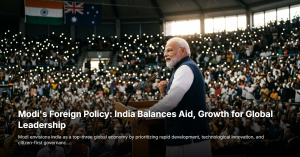





Canadian Prime Minister Mark Carney and Indian Prime Minister Narendra Modi have agreed to begin negotiations on a Comprehensive Economic Partnership Agreement (CEPA), a new trade deal that could significantly boost bilateral trade. Carney stated that this agreement could double Canada-India trade to $70 billion, highlighting India as the fifth-largest global economy and emphasizing opportunities for Canadian businesses and workers.
India’s Ministry of External Affairs confirmed the announcement and revealed that Modi has invited Carney to visit India in early 2026, a visit Carney has accepted. This development marks a thawing in diplomatic relations following tensions over allegations linking Indian agents to the 2023 killing of Sikh activist Hardeep Singh Nijjar in Canada.
The agreement was discussed during the leaders’ recent meeting at the G20 summit. It follows earlier dialogues that had been downgraded due to diplomatic friction. Canada’s trade minister has also engaged with Indian officials in key sectors like petroleum, showing signs of increased cooperation.
Despite renewed efforts to strengthen ties, concerns remain about foreign interference. Canada’s intelligence agency remains cautious regarding alleged Indian threats. Indian High Commissioner Dinesh Patnaik emphasized that both countries must ensure security while engaging diplomatically. He noted that India would act if clear evidence is provided.
Simultaneously, Sikh group Sikhs for Justice held a referendum in Ottawa campaigning for an independent Khalistan, an event India views as provocative. The Carney government faces criticism for renewing diplomacy amidst ongoing tensions. Carney affirmed that Canada remains vigilant about foreign interference while working with India to ensure national security.
The renewed trade talks aim to enhance cooperation while balancing national and international concerns.