




There is growing optimism that India and the United States are close to finalizing a trade agreement. Markets are reacting positively to the progress, as India holds firm despite negotiating with a much larger economy. This confidence stems from India’s stable economy, a smaller-than-expected dip in exports, and recent U.S. tariff concessions.
Union Minister Piyush Goyal emphasized that the agreement must be “fair, equitable, and balanced,” and while India is open to compromise, it remains firm on its stance regarding key sectors like agriculture and dairy. A senior official suggested India is willing to wait, having avoided the worst effects of U.S. tariffs so far.
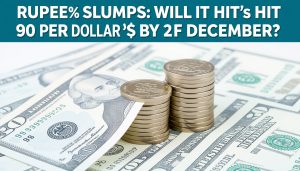
Investor sentiments have been mixed, particularly after the rupee hit a record low due in part to trade deal uncertainty. Despite this, officials expect the trade deal to be signed by the end of the year. Meanwhile, India has reduced its oil imports from Russia, and state-run companies like Reliance have ceased Russian crude purchases altogether.
India’s economy has shown resilience amid tariff pressures, with GDP projections even being revised upward by the IMF. Domestic policy actions, like cutting GST rates, have helped cushion the impact. Indian exports to the U.S., while initially hit, have started to recover, even growing in October after months of decline.
In a quiet reversal, the U.S. recently rolled back tariffs on 200 food items, including Indian spices and tea. This benefits Indian exporters and provides a more level playing field. With the rollback and strengthening export performance, India continues negotiations from a position of strength.