




China’s recent success with its AI chatbot DeepSeek R1, which outperformed US-based models like ChatGPT, has reignited a debate in the US over the H-1B visa program. This visa allows American tech companies to recruit highly skilled foreign workers, primarily from India and China. Critics argue that the US should focus more on nurturing local talent than relying on foreign labor, especially in critical areas like artificial intelligence.
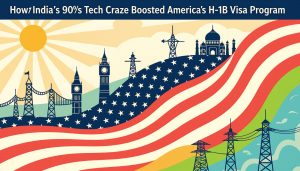
Originally launched in 1990, the H-1B visa program was designed to fill gaps in the American labor market, particularly in science and technology sectors. Over the years, however, it has sparked concerns about foreign workers taking jobs from Americans and driving down wages. The debate has gained momentum with rising nationalism and political shifts, especially with the return of Donald Trump, who strongly advocates for American job protection.
Following DeepSeek’s rise, critics on social media blamed the reliance on foreign labor—especially Indian H-1B holders—for America’s lag in AI development. Some argued that hiring cheaper labor compromises innovation and security. However, this view overlooks key facts: Chinese and Indian workers together represent a vital tech talent pool, and many come with strong technical backgrounds, especially in AI and engineering.
The Economic Policy Institute notes that around 60% of H-1B workers are paid below local wage medians. Despite this, they significantly contribute to maintaining the global competitiveness of US companies. Industry leaders such as Sundar Pichai (Google) and Satya Nadella (Microsoft) showcase the value these immigrants bring.
Ultimately, blaming the H-1B program for China’s tech rise ignores the bigger picture. Instead of turning away foreign talent, the US might benefit more by continuing to harness a global pool of skilled professionals while also investing in its domestic talent.