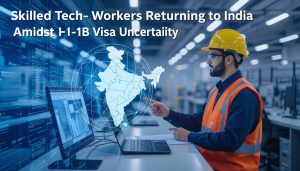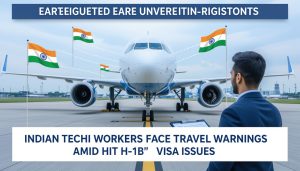





Indian H-1B visa holders in the U.S. are facing growing concerns due to recent changes in immigration policies under the Trump administration. Many employees in the tech sector, especially those from India—the largest group among H-1B holders—are now being advised by top tech companies to avoid international travel for fear of being denied re-entry into the country.
This uncertainty has affected both personal and professional lives. Some workers have cancelled trips to visit family in India, while others are increasingly worried about issues like birthright citizenship that could affect their future children. There is also a rise in anxiety over being perceived as staying in the U.S. illegally, leading some to carry legal documents at all times.
The impact is being felt by companies as well. Employers are reporting increased costs due to the need for expedited visa processing, while workers mention that fear and stress are affecting their performance. Firms such as Infosys, Cognizant, Amazon, Google, Microsoft, and Apple heavily rely on talent brought in through H-1B visas.
Another major challenge is the long wait time for Green Cards, particularly for Indian nationals, who often face delays of many years due to country-specific quotas. Even founders of successful startups employing hundreds face the same backlog. Despite some positive comments by former President Trump regarding skilled workers, the overall restrictive stance on immigration has led to renewed concern about future policy changes and increased visa denial rates.
As immigration policies continue to evolve, many Indian tech workers in the U.S. remain caught in a state of uncertainty, affecting their stability and future in the country.