




When Asheesh Sharma moved to Atlanta in the early 2000s, there were only about a dozen Indian restaurants in the area. Today, there are likely hundreds, reflecting the rapid growth of Atlanta’s Indian community. Much of this expansion has been fueled by H-1B visas, which allow highly skilled and educated foreign professionals to work in the U.S.
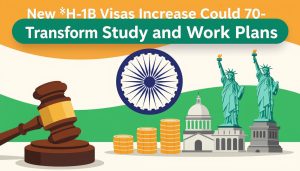
Sharma, an immigration attorney, observes that the H-1B visa program has contributed to making Atlanta home to one of the largest Indian populations in the country. However, the recent proposal by the Trump administration to impose a $100,000 fee on new H-1B applications poses a threat to this growth. This added cost, intended to discourage hiring from abroad, could have significant consequences for employers and potential immigrants alike.
The H-1B visa has commonly been used to fill roles in the technology sector. In 2022, about 46% of H-1B recipients were hired for computer-related jobs. Many top executives in major tech companies, such as Google, Microsoft, Apple, and Amazon, began their careers under the H-1B program.
Critics argue the high application fee may limit access to skilled international workers and hurt sectors dependent on global talent. Others, like Atlanta entrepreneur Siddhartha Chand, note smaller firms will be priced out of the program, reducing competitiveness and innovation.
Despite proposed changes, attorneys and employers are continuing to work with the existing legal framework, uncertain of what lies ahead. For many Indian families already in the U.S., the unpredictability of reforms adds stress to planning their futures.
Georgia hosts one of the largest Indian immigrant populations in the U.S., especially in counties like Fulton, Forsyth, Gwinnett, and Cobb.