




An Indian IT professional on an H-1B visa recently faced verbal harassment in Milwaukee, Wisconsin, highlighting growing tensions around immigration in the U.S. After being confronted on the street and questioned about his origins, the incident left him unnerved and considering returning to India. Both he and his employer requested anonymity due to increasing sensitivities surrounding the H-1B visa program, especially after President Trump returned to office in January.
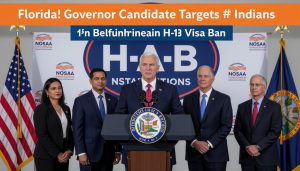
Anti-immigrant and anti-Indian sentiment has surged since Trump imposed a $100,000 fee on new H-1B visa petitions. This has fueled online hate, with Indians being labeled as “job stealers.” Furthermore, leaders like Florida Governor Ron DeSantis have moved to restrict H-1B hiring, framing it as a threat to American workers. These policy shifts and rhetoric have undermined millions of law-abiding, skilled immigrants in the U.S., over 70% of whom are Indian.
Civic incidents — from backlash against Diwali celebrations to fraud cases involving Indian nationals — have further intensified scrutiny. While some community leaders acknowledge the need for introspection regarding problematic behaviors, they also emphasize that most Indians are honest contributors to U.S. society.
Community advocates stress the importance of civic participation, cultural sensitivity, and highlighting Indian Americans’ positive role in the country’s economic and technological advancements. Amid rising political polarization, the Indian American identity is under a microscope—praised for success but increasingly targeted in a tense immigration climate.